Showing posts with label Female Health. Show all posts

Monday, October 28, 2013

Top 8 Supplements for Pregnancy- My Picks

The majority of women who choose to birth at home have a healthy and varied diet. If they do not feel the need to take any supplements I support them in this choice and I require none in my practice. For thousands of years women have grown healthy babies. Many others wonder what else they can or should take to help them have a healthy baby, to feel well during the pregnancy, have enough energy for birth, and to recover quickly post partum. Below you will will find the eight most common supplements I recommend to my clients.

1. Whole Food Prenatal
The two brands that I recommend are Rainbow Light Prenatal and New Chapter Perfect Prenatal.

As a general rule I recommend Rainbow Light because it is just one pill per day. I know when I was pregnant I struggled to even remember to take one pill a day never mind three. Rainbow Light does however contain Red Raspberry Leaf which some women are sensitive to so keep that in mind. New Chapter is also wonderful and easy on the stomach. It needs to be taken 3 times per day but contains no Red Raspberry Leaf.

2. Vitamin D
There are many symptoms associated to low vitamin D levels that are often attributed to pregnancy. 
These are common issues from low vitamin D levels:
  • Fatigue
  • General muscle pain and weakness
  • Muscle cramps
  • Joint pain
  • Chronic pain
  • Weight gain
  • High blood pressure
  • Restless sleep
  • Poor concentration
  • Headaches
  • Bladder problems
  • Constipation or diarrhea
 Sunscreen, lack of foods high in vitamin D and lack of time spent outside contribute to our issues with not making enough vitamin D. Egg yolk, many types of oily fish and cod liver oil are good natural sources of vitamin D. Low vitamin D has also recently been linked in pregnancy to gestational diabetes, preeclampsia, and low birth rate.

3. Omega-3- fatty acids
These good fats are very depleted from the mother during pregnancy because they are used in fetal eye and brain development. Depletion in the mom often leaves her feeling low on energy, depressed and nutrient starved.

4. Probiotic
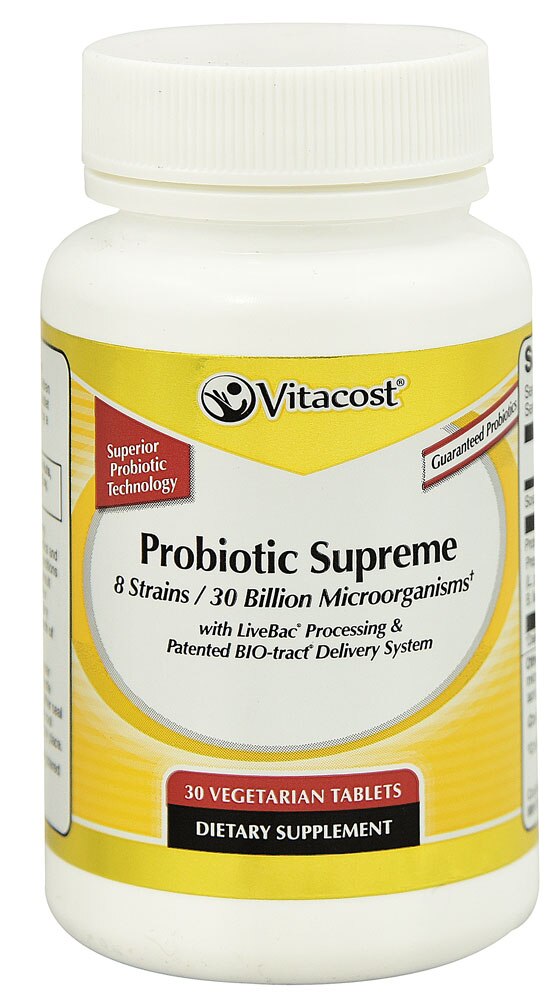
Probiotics are live microorganisms, good bacteria, and by the millions they live naturally in the intestines. They are introduced to our bodies during birth and with out the we would be prone to infection, vitamin and mineral deficiencies and a weakened immune system. When the gut has enough good bacteria is prevents bad bacteria and helps protect us from infections. Studies show that mothers who increase their probiotic intake during pregnancy reduce their child's risk of allergies  They also loose their baby weight faster and have fewer yeast and thrush infections.


5. Chew-able Papaya Enzymes
Heartburn and indigestion is a common ailment during pregnancy. A raw enzyme in papaya can help. The Papain enzyme may assist in breaking down food in the stomach which may reduce heartburn, acid reflux and other gastrointestinal conditions.

6. Floridix
Anemia is common in pregnancy. Floradix contains an herbal based iron supplament which is easily absorbed and less likely to cause constimation that synthetic iron. Having a low hemoglobin count can leave you feeling tired and lethargic during pregnancy and can affect how you feel after loosing blood during your birth.

7. Chlorophyll
Consuming liquid chlorophyll during pregnancy, labor and postpartum can affect your energy levels, milk supply, safe detoxification, constipation and much more. Let's face it who doesn't need more greens in their diet. The mint flavor tastes great.


8. Red Raspberry Tea
Red raspberry leaf helps to tone and contract the uterus. Strengthening the uterine muscle to prepare for childbirth. It has a mild taste.

All of these supplements are included in my all inclusive midwifery package. Contact me to find out more about this option.


Monday, November 26, 2012

I Had a Baby and Things are Different "Down There"

You had a beautiful vaginal birth the way that babies were made to be born but now it is a few months later and you noticed things "down there" do not seem quite the way they used to. 

Following, you will see an explanation of what might be going on that is different and what if anything you need to do. Keep in mind most change is normal and requires nothing different.

Scar Tissue

What it looks like-There is a line from between your vagina to your rectum. 

Where it came from-If you had an episiotomy or tore significantly and needed stitches you may have a line of scar tissue on your perineum. Usually this is painless and does not cause any problems. 

What you can do to help- If it is painful or in preparation for subsequent births where hopefully you will not tear you may want to apply some evening primrose and coconut oil daily and rub it into the scar tissue.


Extra Flaps of Labial Skin


What it looks like- The folds in your labia (the lips) look different and may have extra folds or flaps.

Where it came from- As the skin stretches it usually goes back to its original shape but not always and occasionally there may be slight tears which cause extra pieces of skin.

What you can do to help- Most of these are not painful and are cosmetic only. You may be surprised that intercourse after a baby feels better because of this extra skin. If that is not the case and it is painful talk to a gynecologist about having them surgically removed.

Cystocele

What it looks like- A ball like lump of tissue on the top part of your vaginal canal.

Where it came from- A cystocele  is a medical condition that occurs when the tough fibrous wall between a woman's bladder and her vagina (the pubovesical fascia) is torn by childbirth, allowing the bladder to poke down into the vagina. Even if you have a c-section you can still get a cystocele just by being pregnant.

What you can do to help- For most women a cystocele causes no problems. In some cases the woman may need to urinate more frequently  Occasionally it may cause problems with retaining or leaking urine or pain during intercourse. Some things you can do to help your cystocele heal are: maintain a healthy weight, avoid lifting things that are very heavy, urinate frequently to keep your bladder empty, space your pregnancies to allow healing time between each child, avoid strenuous running that puts pressure on the bladder. If it is very severe there is a surgical procedure that can be performed by and gynecologist. 

Rectocele

What it looks like- A ball like lump of tissue on the bottom part of your vaginal canal.

Where it came from- A rectocele results from a tear in the rectovaginal septum (which is normally a tough, fibrous, sheet-like divider between the rectum and vagina). Rectal tissue bulges through this tear and into the vagina as a hernia. There are two main causes of this tear: childbirth, and hysterectomy. Women who have birthed a posterior baby, face up, are more likely to have a rectocele,

What you can do to help- For most women a rectocele causes no problem. In some cases a woman may have a "full" feeling in their vagina, have trouble having a bowel movement or have discomfort during intercourse. Eating a high fiber diet and encouraging regular bowel movements is the best treatment. Using a stool to place your feet on and avoid bearing down while passing stool helps a lot. If you are having major pain or problems a gynecologist can perform a surgery to repair things.

Vaginal Prolapse

What it looks like- Extra tissue in your vagina, a feeling of "falling out", feeling your cervix (entrance to your uterus that feels like the tip of your nose) just inside your vagina, vaginal wall hanging out of your vagina.

Where it came from-Vaginal prolapse is characterized by a portion of the vaginal canal protruding (prolapsing) from the opening of the vagina. The condition usually occurs when the pelvic floor collapses as a result of childbirth. Childbirth with an epidural, a very large baby or pushing for a very long time increases your chances of prolapse.

What you can do to help- Give yourself time as things tend to heal by themselves. Avoid lifting heavy object or running and jumping. If it is problematic a gynecologist can prescribe a pessary, which is a plastic rod that you wear internally to hold everything in, or perform surgery to repair things.

What about Kegel exercises?
Kegel exercises can help to strengthen the pelvic floor muscles and for years they were thought to be the cure all for all pelvic floor issues.
 All about Kegel Exercises

New studies have shown that doing sets of squats several times per day are actually far superior to Kegel Exercises.
 All about squats for pelvic floor health

In the end remember that "down there" is beautiful no mater what has changed since you gave birth to your baby. If it is just cosmetic think of it as ever evolving if it is painful or problematic consider some of the above options to improve your quality of life.