Showing posts with label Childbirth. Certification. Show all posts

Thursday, August 14, 2014

Why you should spend more than you are planning on your infant car seat


Many of my clients and friends are well aware that I am very conscious of car seat safety. What is the big deal? 


Despite a 43% drop in road crash deaths of children 12 and younger from 2002-2011, more than 9,000 children in that age group died in crashes during that period, says a new report from the Centers for Disease Control and Prevention.  Researchers found that one in three children killed in crashes in 2011 were not buckled up, and that nearly half of black and Hispanic children who died in crashes in 2009-2010 were unbuckled, compared with 26% of white children. USA Today Article


300 children are involved in car accidents every day and 2 die. 75% of all car seats are installed incorrectly. It is important to remember these five points when selecting a car seat for your child and installing it correctly:

 According to Safe Kids Worldwide, these are the top five mistakes parents make installing car seats:


  • Right Seat. Check the label on your car seat to make sure it's appropriate for your child's age, weight and height. Like milk, your car seat has an expiration date. Just double check the label on your car seat to make sure it is still safe.
  • Right Place. Kids are VIPs, just ask them. We know all VIPs ride in the back seat, so keep all children in the back seat until they are big enough to ride without a booster seat.
  • Right Direction. You want to keep your child in a rear-facing car seat for as long as possible, usually until around age 2. When he or she outgrows the seat, move your child to a forward-facing car seat. Make sure to attach the top tether after you tighten and lock the seat belt or lower anchors.
  • Inch Test. Once your car seat is installed, give it a good shake at the base where the seat belt fits. Can you move it more than an inch side to side or front to back? A properly installed seat will not move more than an inch.
  • Pinch Test. Make sure the harness is tightly buckled and coming from the correct slots (check car seat manual). Now, with the chest clip placed at armpit level, pinch the strap at your child's shoulder. If you are unable to pinch any excess webbing, you're good to go. NBC Story


  • Things to consider when shopping for an infant car seat. Inexpensive infant car seats start at around $50 and range up to $200

    • An infant car seat is only usable rear facing and holds and infant until they weigh between 20-35 pounds. The car seat is easily removed from the car with a carrying handle to move a sleeping infant into the house or into a stroller system . INFANT CAR SEATS ARE NOT TO BE PLACED IN A SHOPPING CART. They are not designed that way and there have been multiple deaths recorded.
    • If you are using a hand me down or used car seat check to see it is not expired. Most infant car seats expire between 5-7 years. They expire even faster in our Southern Utah heat due to how the heat affects the plastic. Never use a car seat that has been in an accident no matter how small.
    • You have to be able to tighten the straps very tightly so that you can fit two fingers underneath the strap and you can not pinch any of the strap between your fingers.
    • Seat must be at 45 degree angle
    • No more than 1 inch of movement side to side when installed
    • No head rests of strap pads added to the seat as anything not included and tested with your seat can greatly affect the safety
    • Harness must be through the right slots in the seat. If rear facing the harness slots must be below the child's shoulders. If forward facing (which is not possible with an infant seat) they should be at or above the child's shoulders.
    • Chest clip must be at nipple level.

    • No coats, blankets, swaddlers or anything else between baby, seat and harness. Dress the baby in warm but thin clothing

    As you are looking at a car seat consider how long it will be in use for the child. Once breastfeeding is established, we expect babies to gain at a rate of about 5-7 oz per week (close to an ounce per day), for about the first 3 months. Between months 3-12, weight gain tends to slow down. It is normal for the rate of weight gain to slow down, but it is not normal for weight gain to stop completely or for babies to lose weight. The average breastfed baby doubles their birth weight by about 5-6 months, and at 1 year, they typically weigh 2.5 times their birth weight. So for a baby that weighs 7 1/2 pounds at birth on average s/he will weigh nearly 18 pounds by their first birthday. In my personal experience they often weigh much more. Many children also grow very tall quickly.

    So why bother with a more expensive infant car seat system?


    You buy the cheapest infant car seat that Walmart offers: Cheapest 

    Cosco Juvenile Light 'N Comfy Infant Car Seat, Dots:
    Rear-facing: 4 lbs-22 lbs; for child measuring 29"
    Side impact protection
    5-point harness
    4 harness heights for the best fit as baby grows
    Includes retractable canopy
    Latch equipped with convenient latch storage
    Cost: $47


    Problems with this seat:
    • Difficult to tighten harness because you can only access from the back of the seat. This is huge!!! That means every time you need to buckle your baby in you will need to take the seat out and turn it around to access the back to you can can tighten the straps enough. To get the baby out of the seat you will have to turn it around to access the back to loosen the straps.
    • Insufficient padding making many babies fussy and uncomfortable during the rides.
    • Harness made of cheaper material making it easier for them to twist and tangle. A twisted seat is not safe.
    • It has a latch that is difficult to use you must place one piece on top of the other before you insert it into the buckle.
    • No built in head support. 
    • 22 pound weight range means many babies will need a new seat before 1 year old. The average 12 month old male weighs between:19.8-22.9 pounds, 12 month old female weighs between:18.2-21.4 pounds.
    • 29 inch length measurement is also small. The average 12 month old male measures between: 29.2-30.5 inches, average 12 month old girl measures between:28.5-29.8 inches
    So based on height and weight you will have to get an additional rear facing car seat once your baby is about 12 months old on top of the other issues the largest of which is how difficult it is to get the harness tight enough.


     Let's compare to a more expensive infant car seat from Target: More Expensive

    Graco Snugride Click Connect 35:


    • Features: Adjustable Harness, Removable Seat Pad, LATCH Compatiblity, Level Indicator For Proper Installation, EPS Safety Foam, Rotating Canopy, Removable Head Support

    • Safety and Security Features: LATCH Equipped Car Seat, 5-Point Harness, Rear Facing Only, 2- Piece Chest Clip, Side Impact Protection

    • Rear Facing:Minimum Weight: 4 Lb.; Maximum Weight: 35 Lb. Maximum Height: 32 "

    Cost: $150

    Improvements made with this seat:
    • Easy to tighten harness as it is right in the front of the seat.
    • Adequate padding for comfort
    • Thicker less likely to tangle straps
    • Simple buckle
    • Built in head support
    • 35 pound weight range means it will fit most children until the age of 36 months (3 years) based on weight alone. Average male is between 29.5-34.3 pounds, Average female is between 28.4 -33.4 pounds
    • 32 inch height means it will fit most children until the age of 21 months (1 3/4 years) based on height alone.Average male height is 32.7-34.3 inches, average female height is 32.1-33.8 inches

    I personally had the Graco 35 for my last child and he (who was very small for his age) fit in it until he was 3 years old. If you have to replace your infant car seat earlier you will have to buy an additional convertible car seat. When you do get a convertible seat with a minimum of 65 pound weight limit. Keep your child rear facing as long as possible a minimum of 2 years but as long as 4 years. The large size of their heads in comparison to their bodies makes them much more likely to be injured in a car accident if they are forward facing.

    Many parents want to start out with an infant seat and there are some benefits. If you are really trying to save money it is best to just buy a convertible seat with a high weight limit to 65 pounds then your child stays in one car seat until they are ready for a booster seat.

    The best bang for your buck in my experience in this Diono-RadianR100-Convertible-Seat
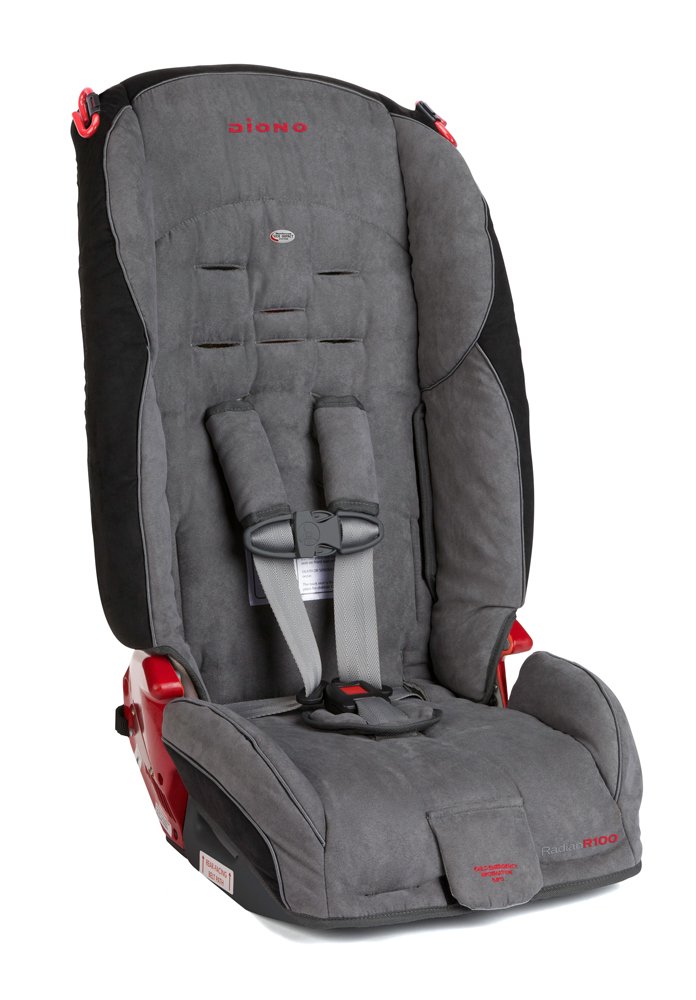
    • The Diono Radian family of car seats are the only convertible+booster seats with a full steel frame making them one of the safest car seats available today
    • Rear facing 5-to 40 pounds. Forward facing 20-65 pounds (up to 57") in 5 point harness. Booster to 100 pounds.
    • Aluminum reinforced sides and energy-absorbing harness system for added safety
    • EPS foam for side impact protection
    • Folds flat for travel and fits 3 across in a mid-size vehicle

    You will only have to buy one car seat ever for your child-infant to booster. Because of the high quality of materials this car seat does not expire for 8 years in harness mode with an additional 2 years in booster mode. That is 10 years for one car seat. This is also the narrowest car seat around making it possible to fit three of these across in a sedan, SUV or minivan.


    Thursday, May 16, 2013

    Haiti-Day 5


    Day 5- Monday
    I woke up early as usual and took a shower, a real one the power was on, and it was cold but in Haiti that is a marvelous thing. I was trying not to wake up my late riser roommates but I was unsuccessful. Breakfast was delicious French toast with peanut butter and syrup and bananas. Ironically a banana in Creole is "Pini" and a pineapple in "anana". As far as my Creole is coming I feel like the only words I can remember are foods and labor words like push, shower, baby and urinate. :) Midwife meeting at 8 we talked about who would be doing initial prenatals for moms coming for the first time to the clinic and who would be on call for births. I was going to be doing prenatals and be second for Martha who was going to do her first catch in Haiti. I was very excited for her!  

    At 9 am Marie started the prenatal classes at 9 explaining about how the baby grows, nutrition, body parts and labor. At 10 prenatals began. We had to do a full initial exam and questionnaire so it took a lot longer especially through an interpreter. I got mostly through with one when Mary came and told me a laboring mom, Sebine, was here and her bulging bag was hanging between her legs. I finished up quickly. Almost every mom complained of a UTI and vaginal itching. Haitian people are very clean but UTI's are common due to not drinking enough water and not having toilet paper.  They go home with probiotics and cranberry pills. About half were married, another 25% in a relationship and the rest the dad split when the pregnancy was announced. These statistics are about the same as the clients I serve at home. Even in a conservative state like Utah. When asked if they ever felt sad as part of a depression screening all but one of the 12 I interviewed said yes. When asked why, the answer was usually "I look at my life and the status of Haiti and feel sad". One said she felt sad because she couldn't return to school pregnant and other was sad because her mother wouldn't stop yelling at her about getting pregnant. The interesting thing is that I get similar answers from many of my moms in the United States. Unhappy about the relationship with the father, unhappy about the state of the country. So are people just generally unhappy even if hey have enough food to eat??? 

    When I finished the one prenatal I joined Mary and Martha in the birth room. Sure enough mom was on the bed with a softball sized bag of waters between her legs. Mary ruptured it with an amnicot and checked mom to find her complete but baby was still high. She walked stairs for the next 3 hours while we finished prenatals. After a while she felt like pushing and Martha got into position with Mary and I guiding her she delivered the baby. I did pit, charting, mom care and baby APGAR. Mary left right after the birth to check on another labor so I showed Martha how to do gentle fundal massage to expel clots and do a newborn exam. The baby was beautiful. Dressed in a cute white and blue dress.

    A sister for her big brother. We moved her to postpartum. All moms stay at least 4 hours but if we have the beds they often stay overnight. They are in a clean environment away from other children and they are fed three meals a day.  Lunch was beans and millet with sauce. I almost always skip the sauce which has a mismatch of different foods in it usually onions and peppers plus some sort of meat or fish or crab. It would be heaven for my husband who loves spicy, highly flavored foods and a surprise. Harder for me who eats almost the same thing every day. The food is always delicious though and there is always enough.

     Another labor came in the middle of the day. A 5th time mom who was 29 weeks was complaining that she had been having contractions for 24 hours and she felt like she needed to push. Mary did an exam and found her closed at -3 station. She continued to have contraction like pain. After some discussion she claimed she had not had any food for 3 days since she had none, she had 4 children to feed and her husband had left her. She complained of being dizzy with no energy. We gave her some food and kept her to monitor for several hours. She still complained of pain. We suspected a UTI so we did an IV to hydrate her well and cranberry and kept her overnight and fed her, and fed her, and fed her.

     Martha and I walked to the gas station a few blocks away for some ice cream. It was heaven! I am drinking 4-5 quarts of water a day. I fill it up and I swear someone else is drinking my water. When sweat runs down my face into my mouth, which is all the time, it just tastes like water. I constantly carry a washcloth with me to wipe my face other wise I drip on the patients. It is actually embarrassing  I am used to heat. Where I live it is always above 100 degrees in the summer often 110, but we have 0% humidity. Haiti is hot and humid which is why it is so beautifully green contrasted to the amazing red desert I come from. After a birth it is the worst. I am dripping sweat everywhere and the native staff midwife always jokes that I had "douche" shower, in my "rad" clothes. And she was right, that is exactly what I looked like. As soon as clinic was over every day I would change out of my scrubs, bucket shower and dress in a pair of capri length goucho pants and a t-shirt. We came home and picked up trash that had blown into the yard before eating a dinner of fried plantains, potatoes, hot dogs  and bread fruit. I took a bucket shower and prepared for bed. It started to rain so I had to move in my beloved outside bed, At 11 it had stopped so I moved it back out again.

    Wednesday, January 30, 2013

    Day 3: Haiti


    Day 3

    This day was Saturday, a free day at the clinic. No prenatals or classes scheduled. I slept in a little but not too much as I knew I needed to go check in on Medaline and probably discharge her. Not being woken by Martha let me to believe that her contractions stopped and she had slept. I was right and after she had some breakfast, oatmeal, I sent her home with a prescription for a syphilis, and HIV test plus and ultrasound order with instructions to do them all on Monday and return for a prenatal on Tuesday unless the bleeding worsened or she was in labor again. She happily agreed. I ate breakfast and some Benadryl and Tylenol for the cold and promptly fell asleep on the couch in the family room where I slept for 90 minutes or so. I woke disappointed that the power was out again, but Mary invited me to go on a walk 1/2 a block away to the cemetery which had manicured lawns and huge shade trees. I agreed and here I am now.

    I think I am going to take this time to describe MBH the best I can. It is a large concrete building painted a pale yellow and white. The yard is compound like everything else in the neighborhood, probably .5 of an acre. There are three doors on the front of the house. The one on the left leads into the kitchen which has a refrigerator, oven, back up propane powered cooking station and falling apart cupboards full of dishes and pots and pans all covered with clean cloths or mesh screen to attempt to keep out insects. A wall of 5 gallon water bottles for the water cooler lines one side. If you continue through the kitchen you enter the court yard where they have the outside kitchen to cook, do laundry and wash dishes. Dishes are washed in three large tubs. One for soaking and cleaning, one for rinsing, and one for disinfecting with bleach water. Through the second door on the front of the house you enter the teaching and post partum room. Four single beds line the walls. There is a baby care and weight station and pictures of teddy bears and nursing mothers on the walls. The room is separated by another little entry room by a navy blue drawstring curtain. Yesterday this room was full with Mama Baby class participants, Mamba baby families, and postpartum families, about 20 in all. Through the blue curtain is an entry room from the postpartum room, kitchen and reception area. It has one bed there for triage and treatment plus a child sling scale where the child sits in a special cloth that is suspended from the ceiling on a scale. There is a small cabinet with pregnancy tests, HIV tests, glucose tests, thermometers etc. When you enter through the third door on the front of the house you enter a screened porch. This is where the mothers sit to wait to be called in for appointments. You don't make exact appointments. You tell them to come in 4 weeks and they come back around then. The first to arrive gets the seat closest to the door and is the first called. So they begin to arrive around 8 am and by 9 am when it is devotional time we have 10-30 women there. That room leads into the small reception area with a desk and an armoire that holds medications and vitamins. To the immediate right is the garage which has been converted into a large store room for supplies. On the far end of a reception area there is another bed that is used for triage or as an extra prenatal space. To the left is the hallway to the kitchen and postpartum rooms as well as the stairs to the upstairs. Just past the storage under the stairs is a labor room with the MBH logo painted on the wall. Two beds and a bathroom plus a supply shelving area.  From reception to the right there is a single labor room decorated with birds. A bathroom. A double laboring room decorated with painted flowers. There is also a hall way that leads out the back of the house to the grounds keepers’ home. Up the stairs opens into a great room with a small desk and office supplies. There is a large family sized black table with benches and two love seats and a coffee table. Shelves along the walls hold books and food supplies and condiments that belong to the midwives and other house staff. There is a door that leads to a covered deck. I spend a lot of time out here and often nap there. Off the great room is another large room called the over flow room. It holds overflow baby supplies and medications that will get too hot in the garage plus 3 more bunk beds for over flow staff. I often sleep on the top bunk as a breeze from the deck on the end makes me feel less clausterphobic.  Off the great room are the midwives quarters with a bathroom and 4 sets of bunk beds. Mine is a bottom bunk in the far corner away from both windows. Thus the closterphobia.  Another midwife room off the great room leads to Mary’s room where the directors stay, there are two beds. There is a bathroom and a third bedroom which has four bunk beds where the site manager, Santo, who I have not met yet because he is out of town, sleeps. The yard has a huge empty swimming pool, a chicken coup, two green houses and plants everywhere including beans, peas, tomatoes, corn, egg plant, lettuce, greens and other plant foods. Trees of mango, papaya, banana and sugar cane are also around. The whole house is very clean. The cleaning woman wipes the walls and mops every floor with a bleach solution every day. Building materials are difficult to come by so paint is chipping, windows need caulking etc. but they keep things very clean and tidy and I feel very safe even with all of the insects around. I am hoping for a few labors to come in today.


    Chicken Coop and Banana Trees

    Green Houses and Mango Trees

    Women Waiting for their Prenatal


    Birth Room with MBH Logo

    Sun Room Birth and Prenatal Room

    Birth Room Birth and Prenatal Room


    Flower Room Birth and Prenatal Room


     Laundry is almost always drying around the Clinic yard

    Sugarcane


    Papaya Tree

    Staff Family and Dinning Room

    Clinic

    Swimming Pool- This made me laugh because there is almost a page in the volunteer handbook about how you need to dress modestly when you are using the swimming pool :)

    Passion Fruit Vine

    When we got back I spent several hours napping as did the other midwives. We then decided to go for a walk up to the rock quarry about half a mile away. We stopped by the MBH children’s library and met the family featured in the you tube video. We saw many different people, animals, and houses. When we got to the quarry rain water had collected to form little pods where people were bathing and animals were watering. We climbed a steep hill and we were able to see all around us up the mountains to the east and the ocean to the north. It was very beautiful.

    When we got back a labor was there a first time mom named, Tetalley. She was very sweet. We had spaghetti for dinner and mom and her sister Nahnah walked around. We told them to come and get us when things got more intense. I crawled into a new bed under a mosquito net out on the porch and waited. Around 10 Martha came and got me and told me she was active. I went down and found her rolling in bed with the pain. We got her centered and I did an internal exam and found her to be 100% and 5 cm. Her mother had shown up by that point and kept pulling up her skirt and opening her legs wanting her to push out the baby. I finally got her to leave her alone and she labored with us holding her hands, rubbing her back, and putting water on her belly. Around midnight she said she had to poop and I checked her and found her ready to push. Martha went and got Mary and they were going to turn on the generator when a miracle happened and the power went on. She had a very tight hymeneal ring. I was worried about her tearing on the birth stool so she pushed a few contractions there and then we moved to the bed. She would not have torn except for a nuchal hand that popped out. Baby had great apgars and cried eagerly.They worked beautiful together and grandma was so happy.


     I ended up needing to suturing her up a bit. She showered and then we moved her to the postpartum room where we worked on breastfeeding. I crawled into bed at 2:30 but still didn't sleep well as the baby was up often during the night and I went down to help the mama. She was exhausted and a little shell shocked which is pretty normal for a first time mom no matter where you live.

    Photos of individuals shared with permission that was obtained prior to taking photo.

    Wednesday, December 5, 2012

    Tongue Tie- My Personal Story with Two Different Babies


    Tongue and lip ties are present in about 10% of the population and are slightly more common in males. In the 1950's or more years ago in both the US and UK or more it was semi routine to snip a baby's frenulum as part of the post birth care. With the rise in bottle feeding in the 1970's the practice fell out of favor and professionals lost the ability to detect tongue ties.


    Maternal presentation is commonly characterized by:

    • Nipple pain and/or erosions that do not improved after the first few minutes of nursing and improve greatly over time
    • A clamped or pinched look to the nipple
    • Painful breasts
    • Persistent Thrush
    • Low milk supply
    • Plugged ducts
    • Mastitis 
    • Frustration, disappointment, and ddiscouragement with breastfeeding
    • Untimely weaning


    Infant symptoms and signs include:

    • Poor latch and suck 
    • Inability to latch to a bare breast
    • Inability to stick tongue out past the baby's gums or lips
    • Clicking sound while nursing (poor suction)
    • Ineffective milk transfer
    • Inadequate weight gain or weight loss
    • Irritability or colic
    • Fussiness and frequent arching away from the breast 
    • Acid reflux or excessive gas
    • Fatigue within one to two minutes of beginning to nurse
    • Difficulty establishing suction to maintain a deep grasp on the breast
    • Gradual sliding off the breast
    •  “Chewing” of the nipple
    • Falling asleep at the breast having taken less than an optimal feed, as proven by “test weight” on a digital scale 
    • Weight loss of greater than 10% in a newborn
    • Milk running out of the sides of the mouth when bottle feeding
    • A heart shaped, forked or little butt shaped tongue
    What does it look like?


    This is my fourth baby, Oliver getting his newborn exam performed and you can really see the lower tongue tie on him.

    Here are some other examples


    Experience Number One

    My third child, Everett, was born with a tongue tie. This was not something that was pointed out during the newborn exam by my midwife. He nursed decently but I attributed that more to me being a third time mom and breastfeeding champ then to him. He made a terrible clicking noise when ever he swallowed and I still had nipple pain and bleeding when he was three weeks old. I started doing some research and a midwife apprentice friend of mine stopped by to visit and picked out the short frenulum right away. She shared that it was much more common in baby boys and tended to be genetic. I called my fraternal grandmother and sure enough my father had been tongue tied, had never nursed successfully and had it clipped when he was about five years old for speech problems. I called around several places and no one seemed to know what to do with me or willing to help me. The hospital IBCLC recommended using nipple shields, which based on my doula experience and problems I had seen them cause I was not willing to do. Because he was a happy baby and gaining weight well I decided to wait it out. I would rub his frenulum between my fingers and have him mirror me often sticking my tongue out as far as it could go. Over the course of the next few months his frenulum eventually stretched and the nipple pain ceased. He is almost six now and has a little bit of trouble saying certain words and definitely has a "butt shaped" tongue, but for our situation I felt like I made the right choice.

    Experience Number Two
    My fourth child,Oliver, was also born with a tongue tie. We picked it out right away. Having been down that road before it was a problem I wanted to identify early on. He nursed but not very well. He was a very fussy baby and would cry often. He did not gain weight well and seemed generally unhappy all the time. He would only nurse for a minute or two and then would fuss and nurse again twenty minutes later. I assumed that his frenulum would stretch just like his older brother. We did the same massage, tongue exercises, and nursing like before but no change. At about six weeks postpartum with bleeding nipples and a unhappy and underweight baby I took him to see my family doctor. After a short consultation he agreed that the tongue tie was severe enough that it needed to be clipped. As a mother I was very stressed about the surgery but I knew that what we had been doing was not working for either of us. The doctor took a piece of gauze and grasped his tongue and pulled it out and up. Then he took a blunt ended pair of scissors and clipped the tiny piece of tissue that was ruling out lives. There was one spot of blood. Oliver cried when this tongue was held by the gauze but not with the cut. He latched on and nursed perfectly from then on out. What a different experience.

    My Role as a Midwife
    As a midwife establishing a good breastfeeding experience is imperative to not only mothers emotionally, prolactin hormones make you happy, but also physically as breastfeeding reduces your chances of post partum hemorrhage because it keeps the uterus clamped down. Although my experience's regarding tongue tie were far from fun, I am thankful to have the different experiences to help my clients in assessing and improving their nursing relationship.

    What Can Be Done?
    Nothing- if you and baby are doing fine nothing needs to be done.
    Massage- as I wrote about massage to help the tissue stretch can help some
    Breastfeed- the nature of nursing helps to stretch the frenulum and eventually things can improve
    Clip the Frenulum- as in the story above this is a simple procedure can can be performed by multiple care providers including a doctor or dentist


    Tuesday, November 27, 2012

    A Mothers' Story of a Planned Home Birth Turned Hospital Transport


    The number one questions I get asked during a free consultation for my midwifery services is:
    What happens if there is an emergency?

    How do you get to the hospital?

    How do you know you are getting there in time?
    I reassure the families that midwives are trained in dealing with normal birth. While we can handle a good majority of unforeseen complications at home we have keen eyes, the benefit of one-on-one individualized care, and intuition telling us when things might be safer in the hospital. 

    Most midwives have a 3-10% transport rate. The vast majority of these transports, I would go as far as to say 95% of them are non emergent transports. 

    Some examples on non-emergent transports in my practice might be:
    Mother has a fever during labor

    Mother's blood pressure is rising during labor

    Mother is too exhausted to continue with her homebirth plan

    There is unusual bleeding during the birth but mom and baby seem to be doing fine

    After a long labor mother is not progressing and would like pain medication to see if it makes a difference

    After pushing for many hours baby is not descending well into the pelvis

    Baby's heart tones are not as reactive as they should be and may be too high or too low at some points

    Baby has passed very thick meconium and giving us other warning signs that s/he may be in distress

    Baby is born and there are obvious birth defects that many need further examination or baby might be showing signs of infection such as a temperature or fast breathing

    Mother tore during the birth to the extent that she needs a surgeon to do extensive repair

    In the case of a non-emergent transport in my practice the family and myself talk about all of the options. Based on our discussion and both of our intuitions we may make the choice  that the birth may need to be moved to the hospital as it has become higher risk. I call the hospital and inform them that we are coming. The hospital is wonderful here and myself and my clients have always been treated with respect. They ask for information about the client so they can pull records and contact their OB if they have seen someone during their pregnancy or call the on-call doctor if not. We all load up in the largest vehicle we have and the baby and mother are monitored on the way to the hospital. The nurse copies my charts and the family checks in and the situation is assessed by the medical staff. I remain with the family the entire time they are at the hospital acting as their doula and support person as well as answering any questions the doctors and nurses might have.

    The majority of non-emergent transports still end in vaginal and often even unmedicated births. A small minority end up with a cesarean for various reasons.

    In the case of emergent transport I would handle the problem as well as possible at home while calling in an ambulance to transport the mother or baby to the hospital. I would still also call the hospital and tell them we were coming and what to expect. This is important! If you know that the mother needs a cesarean quickly it is crucial for your midwife to have a good relationship with the hospital so that their points of view regarding what is occurring is respected. It is not easy to call in a c-section team STAT but if your midwife has shown competence in the past the nurse on call will have no problem doing just that.

    Some examples of emergent transport in my practice might be (keep in mind that each of these complications are very rare most with less than a 0.5% chance of happening during a birth with a full term newborn and healthy mother):

    Prolapsed cord where the cord comes out before the baby -0.14% of births usually caused by artificially breaking your water or twins

    Placenta Separating from the Uterine Wall before birth-01% of pregnancies world wide with poor nutrition and drug abuse the main cause

    Uterine Rupture-0.07% of births with most of them being to women with twins, a transverse baby, or a  previous uterine surgery such as a cesarean section

    Postpartum Hemorrhage or greater than normal bleeding after birth-1.5% of all births. Using a midwife who is competent in herbal remedies to help stop bleeding as well as licensed so that they can legally provide I.V. therapy and anti-hemorrhagic medications such as pitocin reduces the need for transport for this reason

    Fetal concerns such as trouble breathing- 10% of babies needs some assistance to breathe after birth which a qualified midwife is trained to handle at home and the baby breathes and the family stays at home.  1% of babies need extensive breathing support which would require transport

    The families feelings about a transport are so important. How you feel about your birth is often more important that what actually happened at the birth. 

    I asked a past client of mine if she would be willing to share her story of a planned homebirth that ended in a hospital birth. She very selflessly agreed. Here is her story in her own words.

    Midwives notes will be in blue: Look at how relaxed she is here at 9cm dilated
    Please tell me about your choice to have a homebirth:
    I had been interested in homebirth for a while. A local midwife had given a presentation on homebirth in one of my developmental psychology classes a couple of years before I got pregnant and I really liked what I heard. When I brought up homebirth to my husband after I got pregnant he said absolutely not. So, I started seeing a female OB. I knew I wanted a female doctor because I wanted someone who had experienced what I was going through and could anticipate my questions and calm my fears. After seeing her for almost 20 weeks, I decided that she was not the person I wanted to be with me at my birth. She never took the time to talk to me about any questions I had, nor did she make me feel calm or comfortable. I always felt like she was in a hurry to get somewhere else and I didn’t want to feel hurried during one of the most important events of my life. So I decided to change care providers to a family doctor. I chose this particular doctor because I had heard really great things about him from friends and family. My first visit was great. He was supportive of my desire to have a natural birth and he spent time with my husband and I never once making us feel like he was in a rush to get to his next patient. I was excited to have a doctor that I felt would be supportive of my decisions.  
    A few weeks after I switched doctors, my husband and I started taking DyAnna’s childbirth classes. One of my good friends had hired DyAnna  to be her doula for her hospital birth and told me how amazing DyAnna was and that I should take her childbirth classes. During the six week course of classes, I realized again how much I wanted a homebirth. I decided that if I couldn’t have a homebirth I at least wanted DyAnna to be with me as my doula at the hospital. 
    When I was somewhere around thirty weeks, I was in for my doctors visit and he told me that was probably going to have to have a c-section because I was showing signs of pre-eclampsia. The “signs” he was referring to was that I had one episode of high blood pressure. Subsequent visits with him continuously got more negative. He never even pretended to remember me from visit to visit, he always asked if I was a new patient. He also made negative comments about my body while checking my baby’s heart tones. I left many appointments feeling embarrassed and ashamed. Since I was in my last trimester by then, I felt like it was too late to change care providers again. Then, at my last visit with him I gave him my birth plan. He read it and then told me that he was unwilling to follow it and that the things I wanted were unreasonable and crazy. The “crazy” and “unreasonable” things that I wanted were things like no deep suction, no vitamin k, no eye drops, and to delay clamping and cutting the cord. After telling me I was crazy, he again told me that I was borderline pre-eclamptic and that I was going to have to have a c-section. I was really upset after that visit and I immediately called DyAnna because I knew I could trust her to tell me what was really going on. She invited my husband and me to go visit with her and another midwife. We discussed the things that my doctor had said and they took my blood pressure and checked my urine. All of which were fine. There were no signs of pre-eclampsia. Then they asked if I would like to have a homebirth. I was ecstatic! It wasn’t too late to change care providers again and have a homebirth like I had originally wanted. This time my husband agreed since he had become much more educated about the safety of homebirth and we both knew we wanted these to amazing women to attend the birth of our child. We trusted them to tell us the truth at all times and I felt safe and comfortable with them.

    What were some of your concerns going into your birth?
    I was most concerned with the pain of labor. I had confidence that my midwives would take care of everything else. I knew they would be monitoring the baby and me so I wasn't concerned that anything bad would happen to us. I was only afraid of the unknown pain. Everyone told me that it was pain with a purpose and that made it easier to handle but that made no sense to me. Pain was pain right? Nope. Now, having gone through the pain of labor, I understand what pain with a purpose means and that makes it much more manageable.

    How did your family react to your choice?
    My family thought I was crazy. I’m sure they thought I was going to die. I come from a very medically oriented family. If you sneeze you take cold or allergy medicine. You have a sore throat you take antibiotics and go to the doctor and get tested for strep. They had a really hard time thinking that I wasn’t going to go to a doctor and that my baby wasn’t going to be born in a hospital. Some members of my family refused to talk to me about my plans for childbirth. Also it was suggested that I was letting others (meaning my midwives) make my decisions for me. It was really hard not to have the support I so desperately wanted from my family. But I was unwilling to sacrifice what I believed was best for me and my baby just to make my family happy. After my son was born, they still didn't want to have anything to do with homebirth or midwives. All I wanted to do was tell them how amazing my midwives were and what great support they had been and still were being but they wouldn't listen or let me talk to them about it. Now, over a year later they are fully supportive and have become more educated themselves about midwifery and homebirth.
    How did your labor begin?
    I was ten or twelve days over my estimated due date and I was miserable! I was huge and uncomfortable. Walking hurt, sitting hurt, standing hurt, and laying down hurt. My husband and I thought it would be a good idea to try to shake the baby out by taking our Jeep off-roading. Every bump would bring on a contraction and it would eventually get so painful that I would have to ask my husband to stop the Jeep so I could catch my breath. The bumps also made me have to pee so we were stopping the Jeep every five minutes so I could either climb out to take care of business or just catch my breath. My contractions would stop when the Jeep stopped so after an hour or so we gave up and went home. There were no more contractions. Since I was going to be pregnant forever I thought that there was no need to go to bed at a reasonable hour and I stayed up until 2:00 am watching old episodes of Lost. I finally decided to go to bed and just as my eyes started to close I felt a gush of fluid and my first real labor contraction began immediately after. So, I rolled out of bed, cleaned myself up and tried to not be excited because I knew I needed to sleep. Sleep turned out to be impossible because my contractions were coming every 3-5 minutes and they were hard. So we called our midwives and they headed over to our house. That was it! I was officially a woman in labor.

    Was the beginning of your labor what you expected?
    It was not. I didn’t expect my water to break before I had any real contractions. I also didn’t expect my contractions to be so hard and close together at the very beginning. I had no idea what to expect. I guess I sort of expected to never go in to labor! It was so exciting though. I was finally going to have my baby. It was an exciting and happy time. I wanted to call everyone that I knew and tell them that I was in labor and I was finally going to have my baby!

    How were you treated by your birth team in early/active labor?
    They were all wonderful! My husband was incredible. He was my rock throughout it all. My midwives were excited for me and were helping make me comfortable in any way that they could. I decided that I needed some things from the store and they were more than happy to run out and get whatever I needed. They were patient and loving and made me feel totally at ease.

    What are some of your favorite memories about that time?
    My favorite memory of early labor is everyone sitting together watching The Best of SNL Commercials. In particular I remember “I’m not a woman anymore, I’m a mom”. That was a lot of fun. My midwives were great. They were there for me when I needed them and they faded into the background when I didn’t. I wanted my husband to be near me at all times. I had thought that I wouldn’t want him touching me but it turned out that I wanted him next to me holding my hand or something the whole time. He was wonderful. He got in the birth tub with me even when he didn’t want to and was an active participant throughout my whole labor. He was there giving me sips of water and bites of food and helping me position myself to ease the pains of labor. I felt closer to him at that time than I ever had before. It was a time full of love and tenderness.

    What tools did you use to cope with your labor pains?
    Counter pressure on my lower back was a life-saver. At times it seemed to almost take the pain completely away. Water also helped. Being in the birth tub took all the pressure off my body and helped me to relax which, in turn, reduced the pain. I don’t remember doing much of anything else to help with pain. The counter pressure and the water were the two big ones. I suppose deep breathing and keeping my body relaxed helped also. Oh, I would also grab a body part of whoever was closest to me when a contraction started and squeeze as hard as I could until the contraction was over. 

    Tell me about when things changed in your labor and why you decided it would be better for your baby to be born at the hospital?
    I’m not really sure. I guess I started to question whether or not my baby would be born at home when my midwives took turns checking my cervix and said that I just wasn’t dilating fully. They asked if they could try to help my cervix out and told me exactly what they would be doing and I agreed, but when they started it was just too painful and I asked them to stop. Of course, they immediately stopped but my concentration had been broken and I was no longer relaxed and the pain seemed to overwhelm me.  I tried to tough it out for what seemed like hours but was probably not a very long time. I was determined to not wimp out though. I wanted a homebirth more than anything. I did not want to end up at the hospital because in my mind bad things happened had the hospital. I was technically fine and there was nothing wrong with my baby and I felt like I had no reason to go to the hospital. I think it was around 5:00 pm (my husband says it was only 3:00 pm) when my midwives said something like “It is okay to go to the hospital if you feel like you need to. No judgments.” I had known that all along, but having them say it out loud gave me the courage I needed to make the decision to go to the hospital. I don’t know that I ever thought it would be better for my baby to be born at the hospital but I felt like he just wasn’t going to come out at home. On top of that, I was in excruciating pain and there was no break between contractions. It was one on top of the other each one more painful than the last. And I still wasn’t fully dilated. So I asked to be taken to the hospital. Midwives Note used with permission: She had followed a wonderful labor pattern up to 9 cm but then had no change for over 4 hours with extensive non-typical pain and baby not engaging deeper into the pelvis.

    How was the transport handled?
    My midwives were amazing. The instant I said I wanted to go to the hospital they were making preparations. They called the hospital to let them know we were coming, they found me stuff to wear and helped get me presentable, and they got their van ready to go so all I had to do was be half carried to the car. I didn’t have to worry about anything and neither did my husband. They took care of everything. 

    Were you scared? What were you thinking of while going to the hospital?
    No, I was in too much pain to be scared. All I could think about was the pain. There was no room for any other thoughts in my brain other than “It hurts! It hurts!” 
    How were you treated when you arrived at the hospital?
    The hospital staff seemed to not know how to deal with a woman coming in who was in full blown labor. They tried to stick me in a wheelchair, which I know is protocol, but what woman who is dilated to a 9+ and having never ending contractions is going to be okay with sitting in a wheelchair? The poor girl with the wheelchair seemed to not know what to do when I refused to sit. I don’t remember much about what happened after we got to the room because of the pain, but I do remember that they were asking me endless questions that I didn’t know the answer to, nor did I care to answer them. It was really irritating to be asked stupid questions when I was clearly not in a state of mind to be answering them.

    What did the doctor say about your reasons for going to the hospital and what course of action was taken?
    I don’t remember what he said about my reasons for going. I just remember him giving me pitocin to try to make me fully dilate. I finally got an epidural and I have to say it was nice to be pain free. I think it was about an hour after being on pitocin that the doctor came back in and said that there had been no change. I told him that I wanted to continue to wait and see what would happen.  Three hours later, after no changes with my cervix he came back in and told me I had two options. I could have a non-emergent c-section immediately or I could keep waiting until it became an emergency c-section. I was devastated. My beautiful, spiritual, and sweet homebirth had turned into a major abdominal surgery. After many tears, I decided to have the c-section sooner rather than later. I was terrified. I knew I needed to have my husband in with me during the surgery and I really wanted my midwives to be there with me also. I needed their support. They understood things better than I did and I wanted them to stay with me. I wanted my husband to be with our baby at all times and I knew that he would be leaving when they took our baby out while the doctor put me back together. I needed my midwives there with me to support me when my baby was taken away and my husband was gone. We were told that they would not be allowed in to surgery with me. I was really upset that they wouldn’t be able to come. My nurse who had barely spoken to me other than to ask me the stupid intake questions said “Don’t worry. I will be in there with you.” It was not comforting. I remember laughing to myself when my midwives responded to her statement with something like “She doesn’t know you so that’s not helpful.” It was nice to have them there to stand up for me.

    When you went in for your cesarean what were you feeling?
    I had a lot of emotions. I was scared and really really sad that I didn’t get to have the birth that I had been hoping for.  I was also happy that I would get to see my baby soon. I was worried about being alone during the surgery since I had told my husband that he needed to be with our baby at all times. 

    Are there any details you would like to share about the surgery?
    I remember that the nurse who told me she would be in there with me spent the whole time flirting with the doctor who was performing the c-section. She never said one word to me and the doctor only said things like “Tell me if you can feel this.” They were flirting and giggling the whole time! It was not how I imagined childbirth at all. The only person who actually spoke to me was my anesthesiologist. He was really nice. He asked me if I was nervous and explained what was going on and asked me questions about myself to help me relax. Midwives note: The official diagnosis was cord entanglement  Cord was around the neck twice (which is not usually a problem) then around the chest and shoulder and around the abdomen and each leg preventing further descent into her pelvis.

    When did you get to see your baby?
    I saw him for about 10 seconds as they carried him out of the room. They didn’t show him to me or let me touch him though. I finally got to see him around thirty minutes after he was born and my surgery was finished and I was back in my room. But I was shaking so bad from the epidural that I couldn’t hold him. 

    Did you still feel supported by your midwives at the hospital?
    Yes! They were incredible!  Every time the doctor or a nurse said that I had to do something or they had to do something to me look for them to shake their heads no or nod yes. I had taken DyAnna’s childbirth classes and I had felt informed and knowledgeable about things that they hospital might want to do that are unnecessary but in the moment, I couldn’t remember anything so I needed them to help support me in my choices that I had already made but couldn't remember at the time especially when they went against the hospitals routine. They kept me entertained and did their best to keep me positive about the experience. They were also a huge support to my husband. After we got to the hospital he was able to shower and take a nap for a few hours. He told me he wouldn’t have felt safe or comfortable doing that without our midwives there to be with me. They stayed with me until after my baby was nursing and I felt comfortable enough for them to leave. They came back to the hospital to check on us the next day also.

    How was your nursing experience at the hospital?
    That first night it was fine. My midwives were there and helped me get everything figured out. My baby had no latching problems and everything was going well. The next day, a lactation consultant showed up and asked how things were going. I said we were fine and didn’t need any help. She insisted that we did, then she reached out and grabbed my breast and started squeezing it. Then, she began smashing my baby’s face into it. I am a very private person and she was up in my very personal space doing things that I didn’t want done after I had told her I didn’t want help. It was a horrible experience. I was used to my midwives gentle touch and they always asked and waited for permission before they touched me anywhere. On top of the awful lactation consultant I had hospital staff coming in and out of the room messing with my IV and trying to talk to me and whatever else they do while I was trying to nurse. All I wanted was to nurse my baby in peace without being exposed to everyone under the sun. Overall I hated trying to nurse my baby at the hospital.

    When did you go home?
    I went home two days after the c-section. It was a horrible transition from the hospital to home. First off, could barely stand upright and walk much less do anything else like carry my baby. After spending the first couple days of my baby’s life in the hospital it seemed unnatural to be caring for him at home. I sort of felt like “What do I do now?” While the transition to motherhood can be strange for homebirthing women as well, I am positive it is a much more strange experience for women who have to bring their babies home from the hospital. Birthing at home naturally leads into motherhood. Bringing a baby home from the hospital is not.

    Did your midwives clean up the homebirth supplies before you got home?
    Of course they did! They even fed our cat since we were in such a hurry to get to the hospital we hadn’t even thought about it. When I got home from the hospital there was no sign that they had even been there. Our house was spotless.

    How was your experience physically once you got home?
    It was really hard to do anything. I couldn’t lay flat so sleeping was difficult, I couldn’t bathe myself or do any other basic self-care. I could barely dress myself. It is impossible to recover from a major surgery and care for a newborn at the same time. My poor husband had to do everything for us. I was so tired because I wasn’t sleeping well and I thought I was going to go crazy not being able to do anything for myself.
    Did you feel supported by your midwives postpartum?
    Again, they were amazing! I saw them many times after my baby was born. Our first visits were in the hospital and in my home then, when I was more mobile, our visits were in one of their homes. I saw them at least ten times the first six weeks of my baby’s life. They cared about how I was doing physically, spiritually and psychologically. In contrast, I saw the Obstetrician who did the c-section two times in the same six week period and he only cared about how my incision was healing not about how I was doing psychologically.
    At one point, I started having panic attacks from lack of sleep and some other things. My midwives came over immediately and offered their support. They talked to me about my concerns and shared their own experiences and offered to help in any way they could. They even offered to come stay with my baby so I could get some much needed sleep. I wouldn’t have trusted him to anyone else during that period. I also called and texted them many times throughout the first few months of my son’s life. They were always happy to answer any questions or concerns that I had. I have no words to express how grateful I am to them for being so supportive and loving during that time. They are wonderful women. And I love them!

    How did you feel about the transport?
    While It wasn’t my dream childbirth experience, I was mostly just happy that my baby was safe and healthy and so was I. I wished I hadn’t had to go to the hospital, but I couldn’t see how anything could have been different. We tried our best to have a homebirth and it just didn’t work out. I was disappointed, but that didn’t outweigh the joy of having a beautiful healthy baby.

    How do you feel about your overall experience 18 months later?
    A few months ago I went through a period where I was really angry that I had to go to the hospital. I felt like there was something wrong with me and I was feeling down in the dumps spiritually. I was feeling like if I had been more righteous, prayed harder, and had more faith then I wouldn’t have had to go to the hospital. I talked to my husband about my feelings and he helped me understand again that we actually were blessed during that time. Our son had been born and he was perfect. He was always fine and so was I. We don’t always get what we want and we need to be thankful for the blessings we have been given. Now, looking back at all that we went through it was such a good bonding experience for my husband and me. We are closer than we were before all this happened and I still feel like I had a homebirth. 

    How do you feel about homebirth after your experience?
    I am passionate about homebirth. It is such an empowering experience. It is also beautiful, spiritual, and gentle which are things that I don’t associate with hospital birth. I hope to have my future children at home.  While I admit that the hospital can provide necessary life-saving options, I don’t believe that all women need the hospital for childbirth. I love the experience I had at home with my midwives. And I wish that all women could have that same experience.

    Midwife Note: I just love his little squished and off center nose that was caused by him hanging out in the birth canal for so long